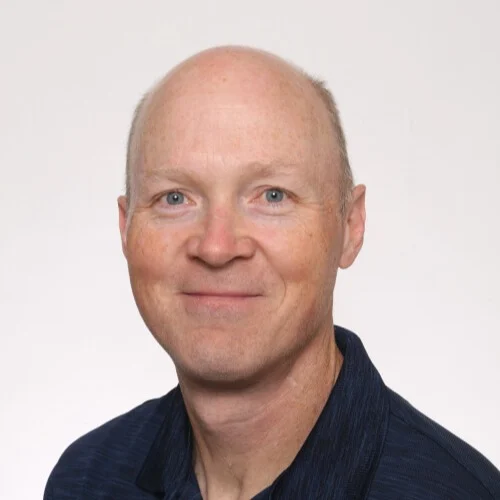

This blog post was written by a human. Three humans, in fact. But at the American Modelica and FMI Conference 2026, that was not always the case. Welcome, agents. Agentic modeling and simulation was front and center at this conference.
The American Modelica Conference runs every two years and was held October 12–14 in Atlanta, hosted by Georgia Tech and the Aerospace Systems Design Lab (ASDL). JuliaHub was proud to be the Platinum Sponsor.
The three of us—Michael Tiller, Anshul Singhvi, and John Batteh—spent three days running a hands-on Dyad workshop, presenting papers, delivering a vendor session, hosting a booth, and participating in a panel discussion on AI’s role in the Modelica community. We also connected with attendees, nearly all of whom had years of experience in equation-based modeling and simulation. For Mike and me, it was a chance to catch up with colleagues and friends, as we have spent over 20 years in the Modelica community.

On day one, we ran a Dyad workshop. The attendees installed the released version of Dyad, and we were off and running. Rather than provide prescribed workshop material, we used an approach that had proven successful and engaging at previous workshops: use Dyad Agent to build whatever interests you. Mike led the workshop and encouraged attendees to think big and really push the agent’s capabilities.
What attendees built during the workshop was fascinating. Walking around and chatting with them, we saw models of race cars running on tracks, data center cooling systems, room heating and cooling simulations, detailed heat exchangers, and full thermodynamic simulations of steam cycles with controls. While attendees were working away, Mike used the agent to build a model of an electric hoist live on the big screen, including a web app that ran the simulation, visualized the results, and provided a 3D animation of the hoist in action. It was great to see the energy in the room and give new users an opportunity to engage with Dyad and its AI agent on their own terms. Thanks to all who attended!
The American Modelica Conference is not just about Modelica and FMI. Alongside the usual sessions on building systems, automotive applications, and FMI applications, there were two sessions on emerging tools. The Wednesday morning session featured three papers involving Julia and Dyad.
Chris Laughman (MERL), with Shreyas Ekanathan, Avinash Subramanian, Oscar Smith, and Chris Rackauckas from JuliaHub, presented Discontinuity-Aware Solvers for Vapor-Compression Cycles. This work investigated whether providing the solver with additional information about phase-boundary discontinuities could improve computational efficiency in refrigeration simulations.
Ruizhi Song and his coauthors at Texas A&M University presented Toward Equation-Based Building Energy System Modeling in Julia: A Modular Prototype and Validation Study. This work is based on Ruizhi’s PhD research, in which he is developing capabilities similar to those of the Modelica Buildings Library in Julia.
The final presentation covered my work with Prof. Luigi Vanfretti at RPI, entitled Implementation of OpenIPSL in Dyad. This work documented the translation of over 70 OpenIPSL components from Modelica into Dyad using Dyad Agent. There were also some really interesting results highlighting the benefits to both communities of having models implemented in multiple modeling platforms. It is always wonderful to see the breadth and quality of work in the Modelica community. Thanks to the organizing committee for embracing equation-based modeling technologies both within and beyond Modelica.
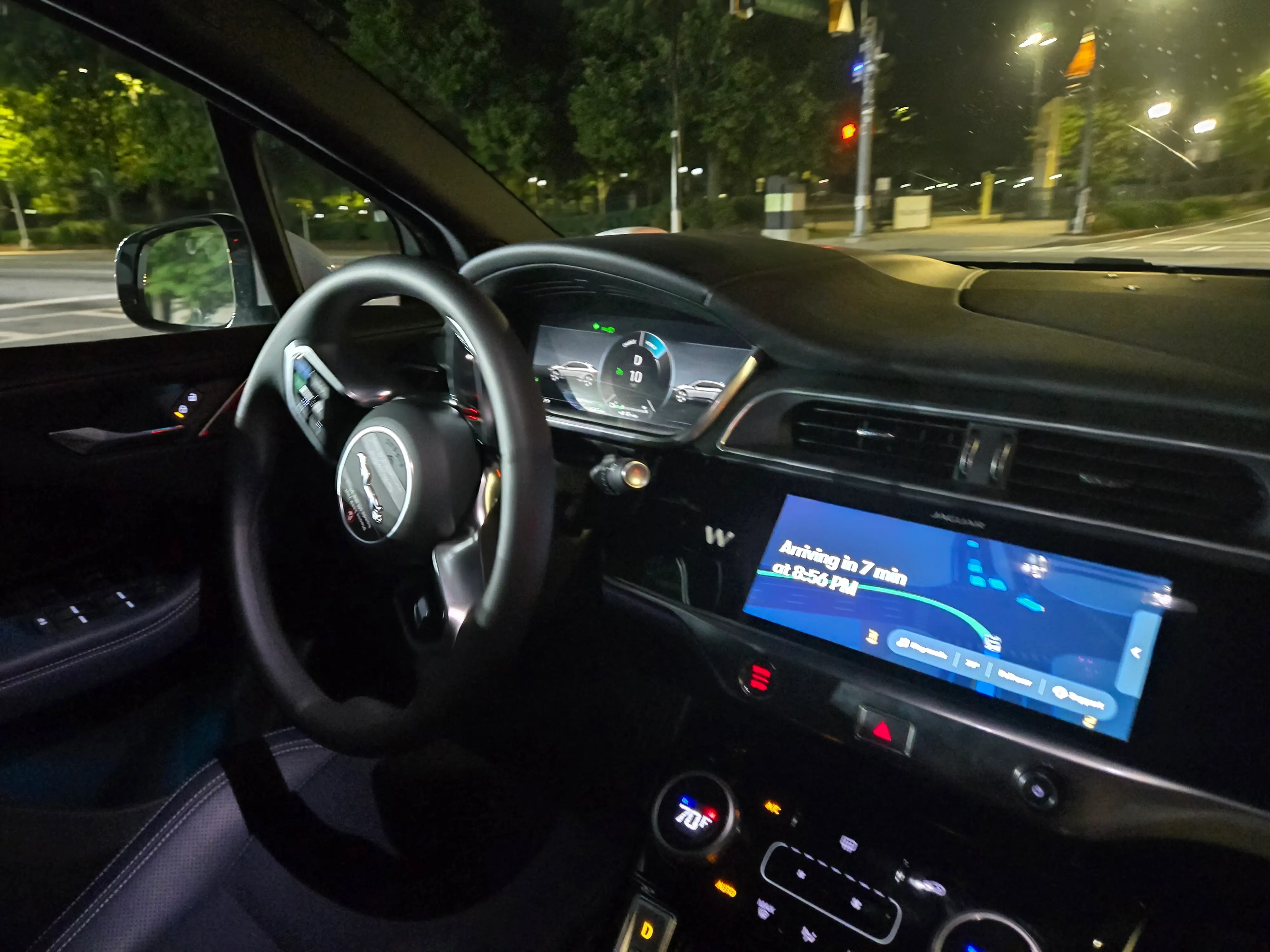
A highlight of every Modelica conference is the conference dinner. This year, attendees were treated to some excellent Southern cooking at Paschals. And the next time you see Mike, ask him about his new “Southern” persona. After a lovely evening of food and lively conversation, we decided to fully embrace the agentic and autonomous theme and took a Waymo back to our hotel. It was a great experience and, as you can see from the pictures, we thoroughly enjoyed the safe trip with our autonomous vehicle/overlord. No, Mike is not calling for help!
The papers and slides will be posted with the conference proceedings. If you missed the workshop, you can get started with a self-paced Dyad tutorial and try Dyad yourself with a free trial. You can also explore our webinar recordings, including the session on refrigeration and HVAC applications with the Dyad HVAC library.

Thanks to the NAMUG organizers and ASDL at Georgia Tech for hosting, and to all the attendees for a great conference. Feel free to reach out to any of us individually, and keep those hard questions coming. We’ll sic our agents on them!